Korean
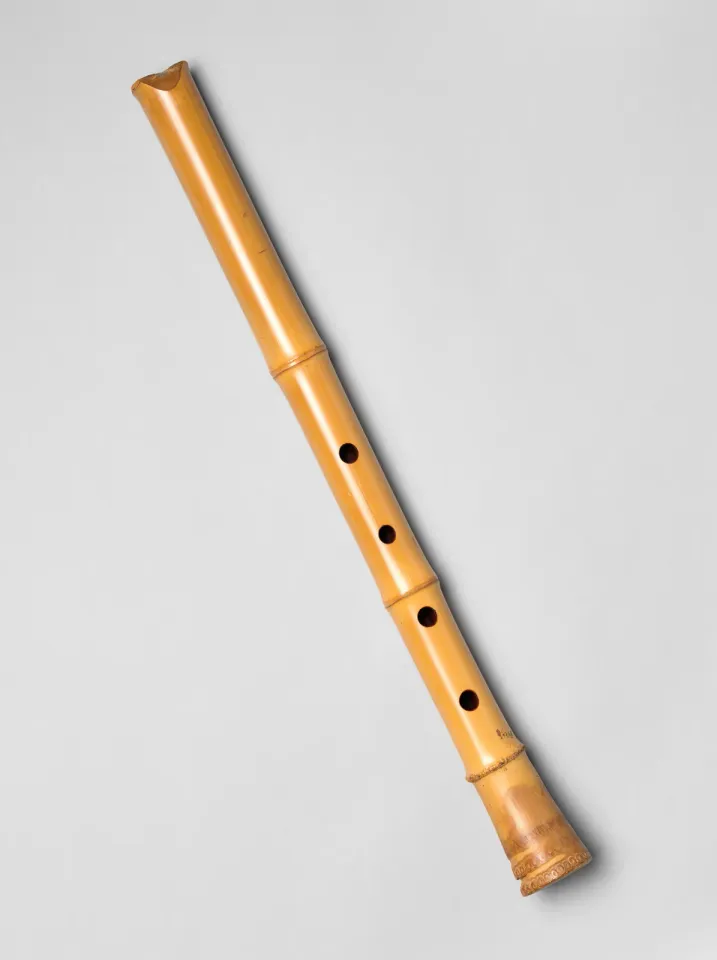
Manpasikjeok
萬波息笛
When played, enemy armies retreat, illness is cured, drought brings rain and rough waves grow calm.
TreasureFirst recorded 1281
Loading artifact…
Photograph: A granite panel from a royal tomb of Unified Silla, late 700s–early 800s. A clothed, standing figure with a rat's head is carved in low relief on a long stone slab: the rat among the twelve animals of the zodiac.
Focus the photograph, then use the arrow keys to pan and the plus and minus keys to zoom. The buttons at the lower left also move it. Press a numbered button on the photograph to zoom to that note.
礪炭
With the whetstone and charcoal he had secretly buried as evidence, he claimed another man's house as the home of his blacksmith ancestors.
According to the Samguk Yusa, Talhae was born from an egg laid by the queen of Yongseong, a land across the sea. The king thought the egg ill-omened and set it adrift on the sea in a chest, which came ashore at Ajinpo in Silla. When an old woman on the shore opened the chest, a handsome boy came out.
As he grew, Talhae climbed Mount Toham to look over the city and judged that a house on a hill shaped like a crescent moon was a site where one could live long. It was the house of Hogong. Talhae secretly buried a whetstone and charcoal beside the house, and the next day he went to the authorities and insisted that it was the house where his ancestors, who were blacksmiths, had lived.
When the ground was dug up, a whetstone and charcoal did indeed come out, and Talhae took the house. King Namhae recognized Talhae's cleverness and married him to his eldest daughter, and Talhae later became the fourth king of Silla. Some read the story as reflecting the arrival in Silla of people skilled in working iron.
The photograph shows Stone Panel for Royal Tomb(Korea, Unified Silla period (676–935), late 700s–early 800s), a real museum object that evokes the legendary artifact.
萬波息笛
When played, enemy armies retreat, illness is cured, drought brings rain and rough waves grow calm.
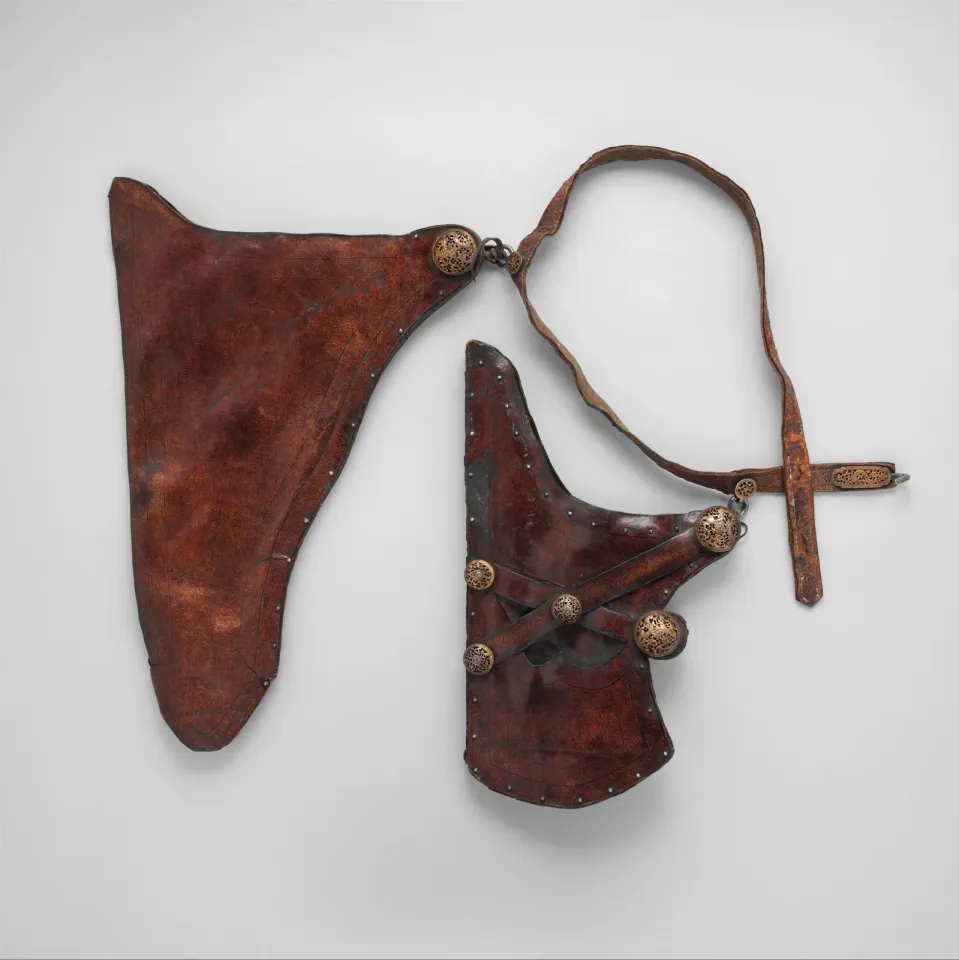
朱蒙之弓
Every arrow hit its mark, so that "jumong," meaning a fine archer, became his name.
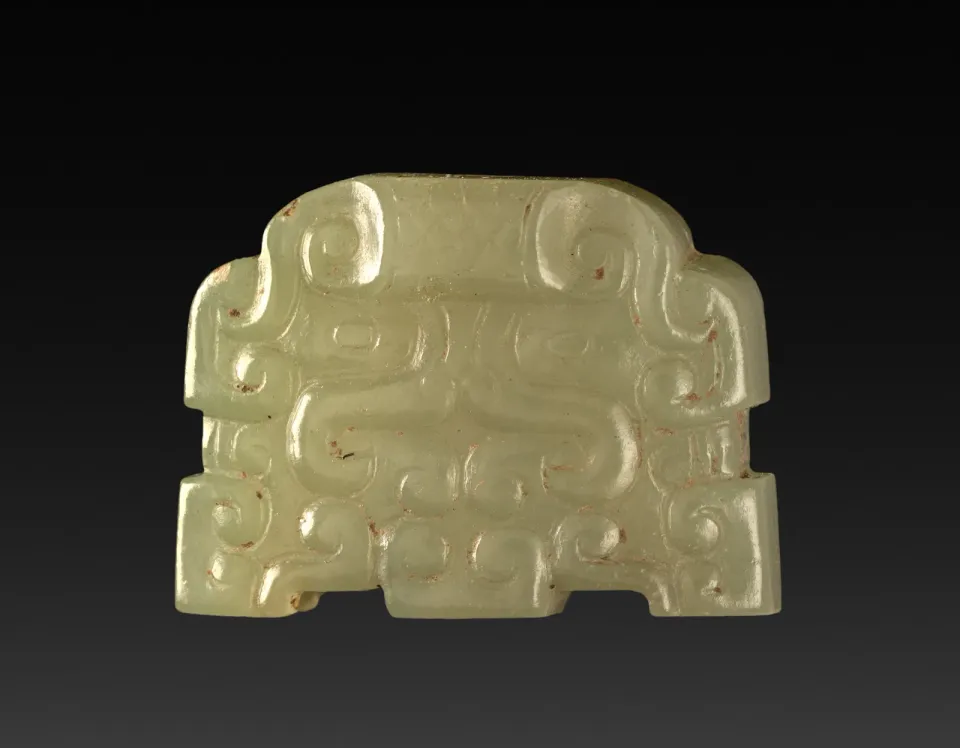
金錐子 (방이 설화)
Strike it, saying "Out with gold!", and whatever one wishes comes pouring out.
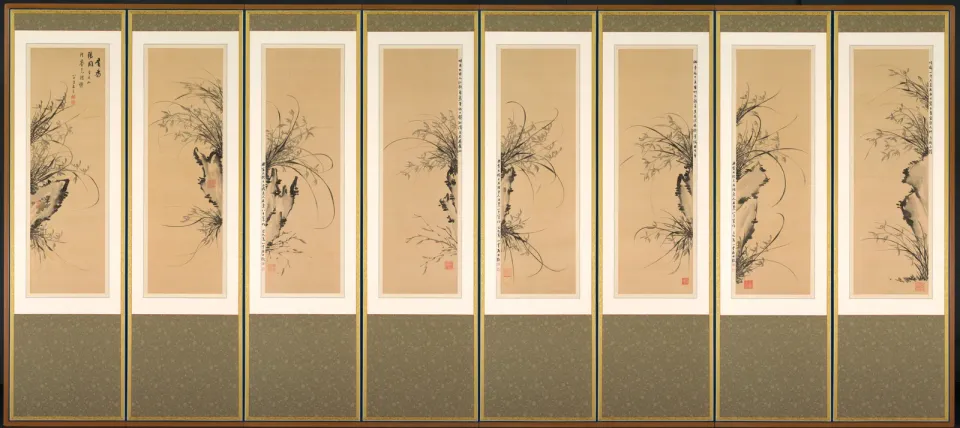
浮石
A great rock that Seonmyo became; it rose into the air and drove off the band that stood in Uisang's way.