Greek
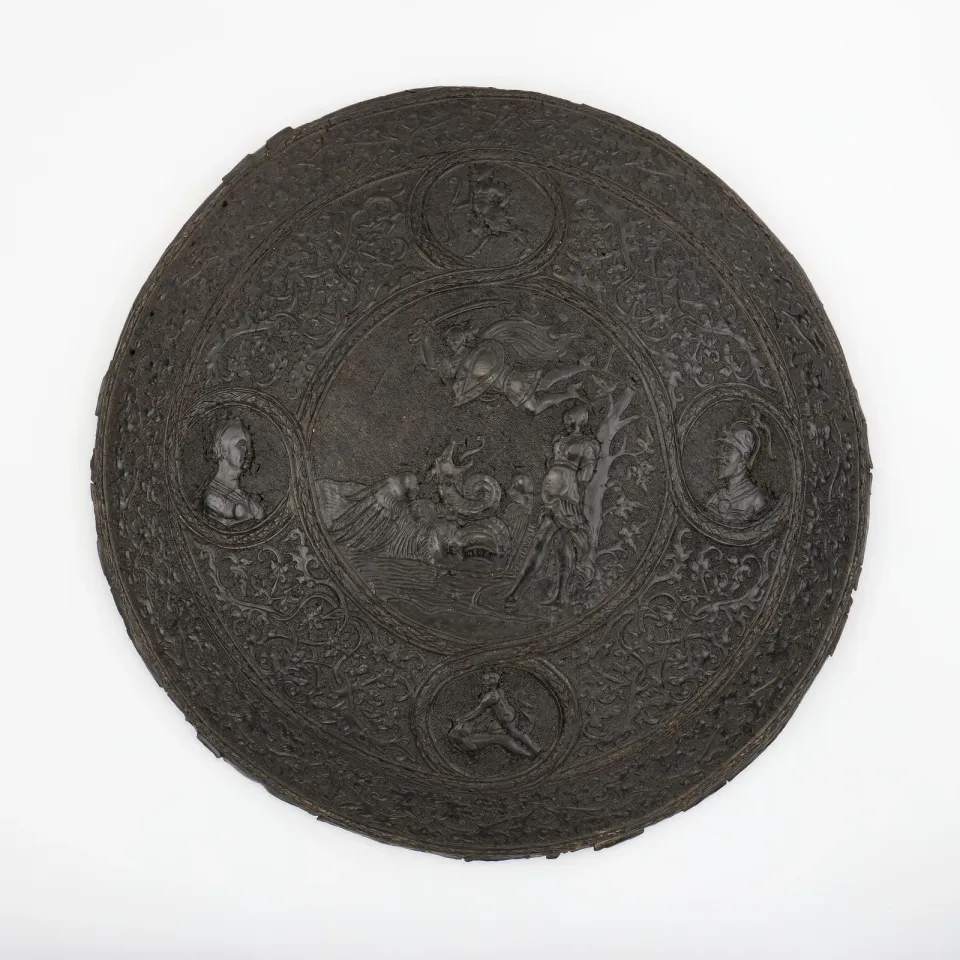
Aegis
Aegis (Αἰγίς)
Shaken, it raises storms and sends enemy armies fleeing in terror.
ArmorFirst recorded c. 750 BCE
Loading artifact…
Photograph: An Athenian red-figure mixing bowl (column krater) painted by the Naples Painter about 450–430 BCE. On the black ground, two satyrs with horse tails chase two women carrying leafy staffs (thyrsi), shown in red.
Focus the photograph, then use the arrow keys to pan and the plus and minus keys to zoom. The buttons at the lower left also move it. Press a numbered button on the photograph to zoom to that note.
Thyrsos
Strike a rock with it and water springs up; thrust it into the ground and wine gushes out.
The thyrsus is a staff made from a giant fennel stalk tipped with a pine cone and wound with ivy. Dionysus, god of wine and revelry, and the women who followed him, the maenads, carried it as they roamed the mountains and fields.
In Euripides's Bacchae, the women of Thebes worship Dionysus on Mount Cithaeron. One woman strikes a rock with her thyrsus and clear water springs up; another plunges hers into the ground and wine gushes out. Scraping the earth with their fingertips they draw out milk, and honey drips from their thyrsi.
When villagers come to seize them, the women drive the men off by throwing their thyrsi. The men's spears cannot wound them, but the thyrsi wound the men. Pentheus, king of Thebes, who scorned Dionysus, disguises himself as a woman to spy on them and is torn apart by the maenads, led by his own mother.
The photograph shows Red-Figure Column Krater (Mixing Vessel): Satyrs Pursuing Maenads(Greek, Attic, 440–430 BCE), a real museum object that evokes the legendary artifact.
Aegis (Αἰγίς)
Shaken, it raises storms and sends enemy armies fleeing in terror.
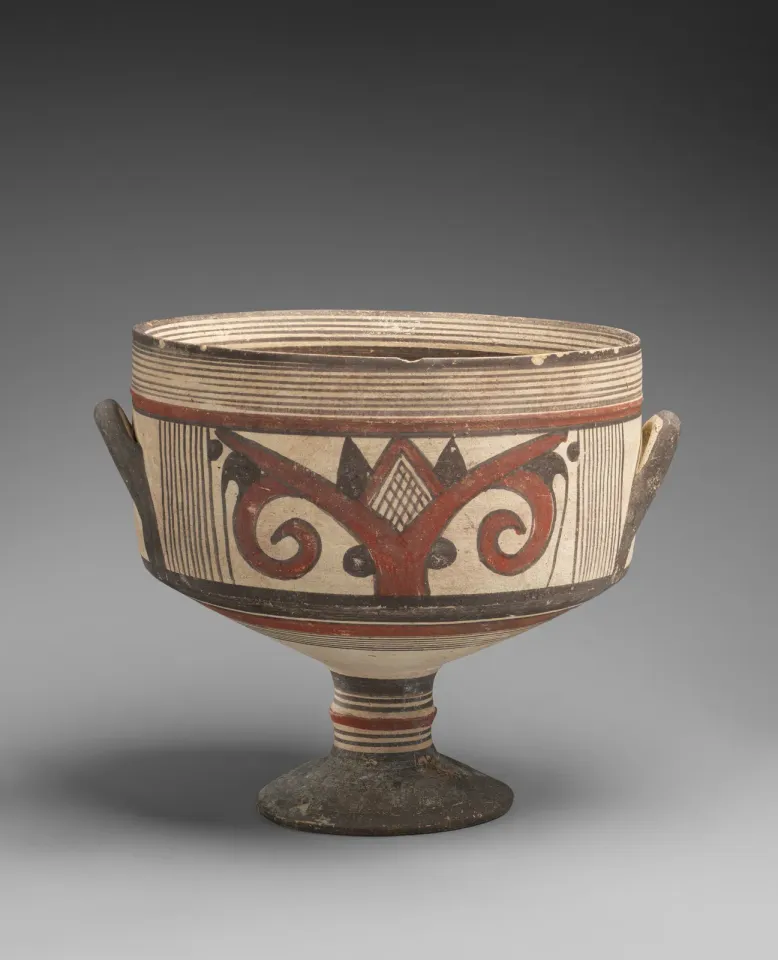
Ambrosia & Nectar
Keeps the gods ageless and deathless.
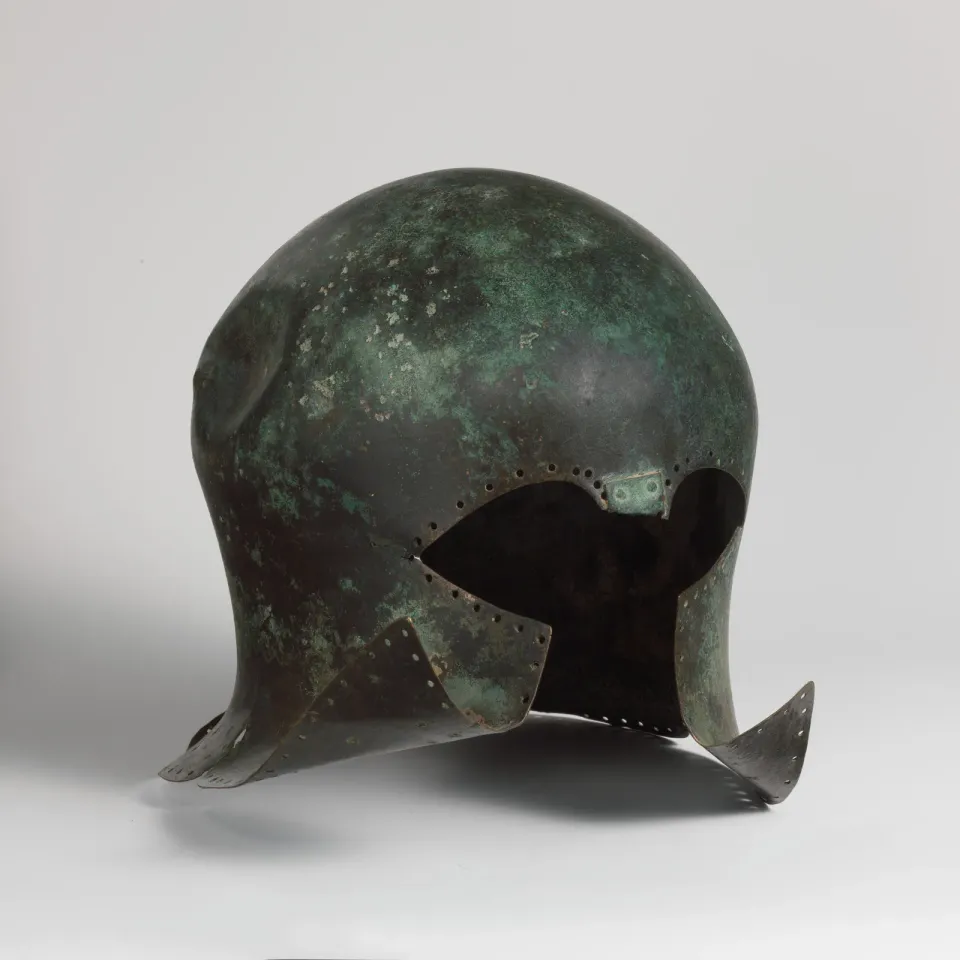
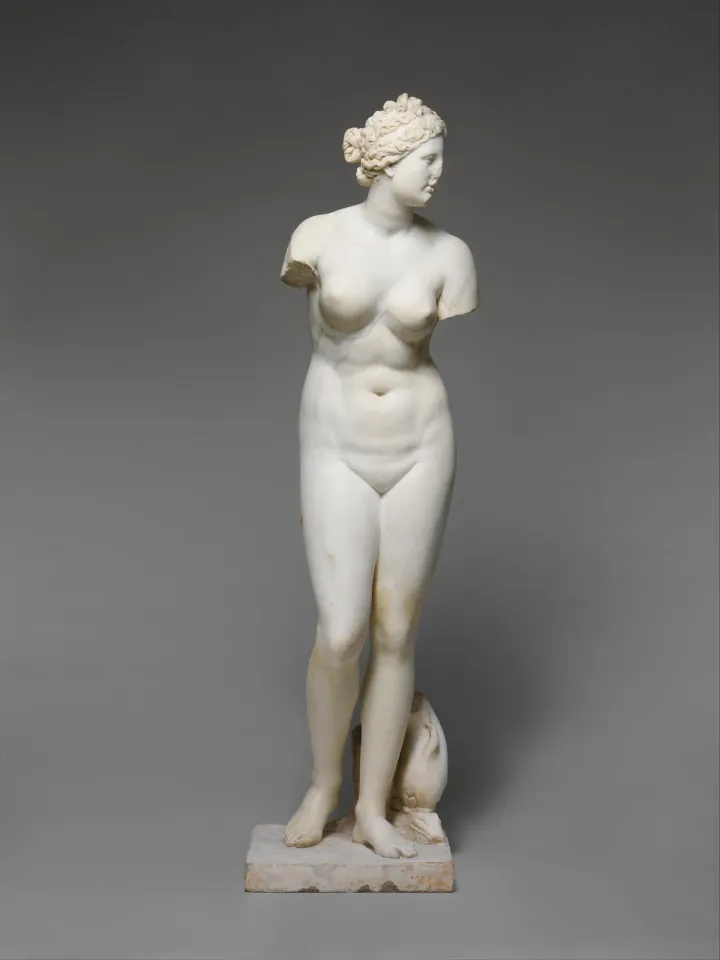
Kestos Himas (Κεστὸς ἱμάς)
Embroidered with love, longing and beguiling words, it makes anyone fall in love.